T.O.M. Truths: A Warm, Funny Guide to Teenage Mood Swings (and Why They’re Totally Normal)
A warm, relatable guide for teenage girls experiencing mood swings during Time Of the Month (T.O.M.). Discover the four phases of the menstrual cycle, practical PMS tips, and self-care ideas to better understand your hormones and feel more confident each month.
TEENS
3 min read


Let’s talk about T.O.M. — Time Of the Month — otherwise known as the mysterious period where your favorite hoodie becomes emotional support clothing, your snack drawer empties at alarming speed, and someone chewing too loudly might feel like a personal attack.
If you’re a teenage girl experiencing mood swings, first things first: you’re not “dramatic,” “too sensitive,” or turning into a werewolf. You’re simply riding the perfectly normal hormonal rollercoaster known as the menstrual cycle. Grab a cozy blanket, maybe some chocolate (purely for scientific reasons), and let’s break down what’s actually happening in your body.
The Four Phases of the Menstrual Cycle (Explained Without the Boring Bits)
Understanding your cycle is one of the best forms of self-care for teens — because when you know what’s coming, you can work with your body instead of wondering why yesterday you wanted to reorganize your entire life at 2am.
1. The Menstrual Phase — aka “Hibernate Mode Activated”
This is when your period arrives and your uterus basically says, “We’re redecorating.” Hormone levels drop, energy dips, and your bed suddenly feels like the greatest place on Earth.
True story: many girls report crying at dog food commercials during this phase. Is it emotional? Maybe. Is the puppy extra cute? Also yes.
Helpful tip: Lean into gentle self-care. Think hot water bottles, fluffy socks, comfort movies, and zero guilt about taking things slow.
2. The Follicular Phase — Hello, Main Character Energy
As your period ends, estrogen starts rising and suddenly the world feels… manageable again. This is the phase where productivity hacks actually work and your brain remembers where you left your school planner.
You might feel inspired to clean your room, start a new skincare routine, or message that friend you accidentally ignored for three days.
Helpful tip: Try new things now — your confidence is naturally higher.
3. The Ovulatory Phase — Social Butterfly Mode
Ovulation is the hormonal equivalent of turning your charisma settings to high. You may feel more social, chatty, and confident.
This is the phase where you agree to plans and genuinely mean it — unlike certain future phases where cancelling feels like elite self-care.
Helpful tip: Schedule presentations, group hangouts, or anything that benefits from extra confidence.
4. The Luteal Phase —"I'm NOT moody!"
Ah yes. The phase that often gets blamed for everything from irritation to suddenly deciding your life is a mess because you forgot one homework assignment.
Progesterone rises, PMS symptoms can appear, and emotional sensitivity increases.
Classic luteal moment: getting irrationally annoyed at someone breathing near you, then laughing about it five minutes later.
Helpful tip: You don’t need to be perfect — just human.
Mood Swings Aren’t a Personality Flaw — They’re Biology
Here’s something not talked about enough: learning your cycle is a powerful form of emotional intelligence. When you notice patterns, you stop blaming yourself and start supporting yourself.
Cycle syncing — matching your activities to your energy levels — is trending for a reason. It helps teenage girls feel more in control and less surprised by emotional shifts.
And remember: mood swings don’t define you. They’re temporary visitors, not permanent roommates.
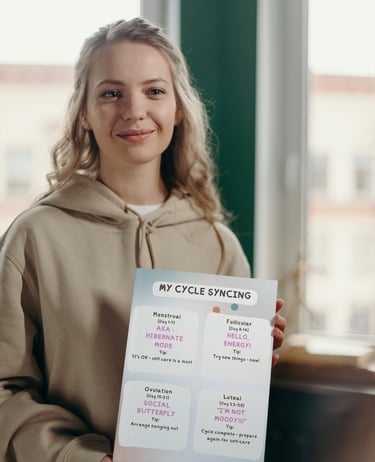
Join the Self-Aware Girls out there and get your FREE Cycle Syncing Worksheet.
When to Ask for Support
If mood swings feel overwhelming, interfere with daily life, or bring intense sadness, talk to a trusted adult or healthcare professional. Strength isn’t pretending you’re fine — it’s knowing when to reach out.
Final Thought: Be Kind To Yourself
Your body is not working against you; it’s communicating with you.
Some days you’re unstoppable. Some days you need snacks, silence, and a dramatic lie-down. Both are valid.
So the next time T.O.M. rolls around and your emotions feel louder than usual, remember this:
You’re not “too much.”
You’re just beautifully, biologically human — and probably in need of a snack.
Don't forget - join the self-aware girls out there and get your FREE Cycle Syncing Worksheet.








Copyright © 2026 Inclusive Life Coach - All rights reserved.
Inclusive Life Coach provides guidance, tools, and educational content intended to support personal development, self-reflection, and wellbeing.
The services and information provided by Inclusive Life Coach do not constitute medical, psychological, psychiatric, therapeutic, counselling, legal, or financial advice. Inclusive Life Coach is not a substitute for professional healthcare, mental health treatment, diagnosis, or therapy.
If you have concerns about your physical or mental health, or if you are experiencing distress, you should seek advice from a qualified healthcare professional, GP, psychologist, psychiatrist, or other appropriately licensed professional.
By using Inclusive Life Coach products, you acknowledge that you have read, understood, and agreed to this disclaimer. All sales are final and non-refundable.
Terms and Conditions & GDPR